
Agentic AINo. 013
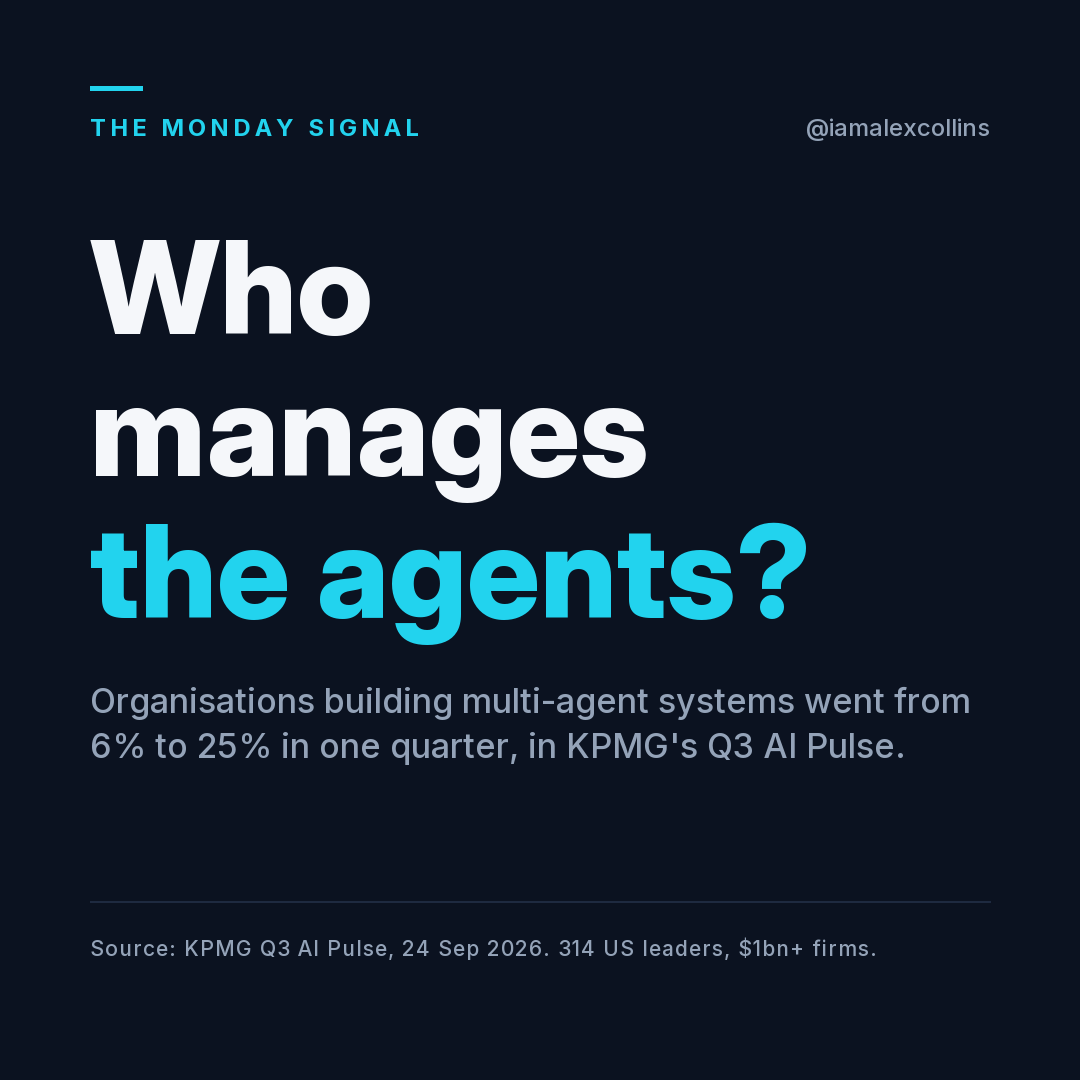
Who manages the agents?
Multi-agent systems went from 6% to 25% in a single quarter. Once agents work with each other, who can say why something went wrong, or right?
KPMG · 12 Oct 2026→
Every Monday
I read a lot of research on agentic AI, consulting and how organisations actually change. Most weeks one piece is worth your time, so every Monday I pick it, pull out the number that matters and say what it means if you are the one who has to act on it. Every one links straight out to the original, so you can go and read it yourself.
The latest signal
Multi-agent systems went from 6% to 25% in a single quarter. Once agents work with each other, who can say why something went wrong, or right?
Read signal no. 013 →Multi-agent systems went from 6% to 25% in a single quarter. Once agents work with each other, who can say why something went wrong, or right?
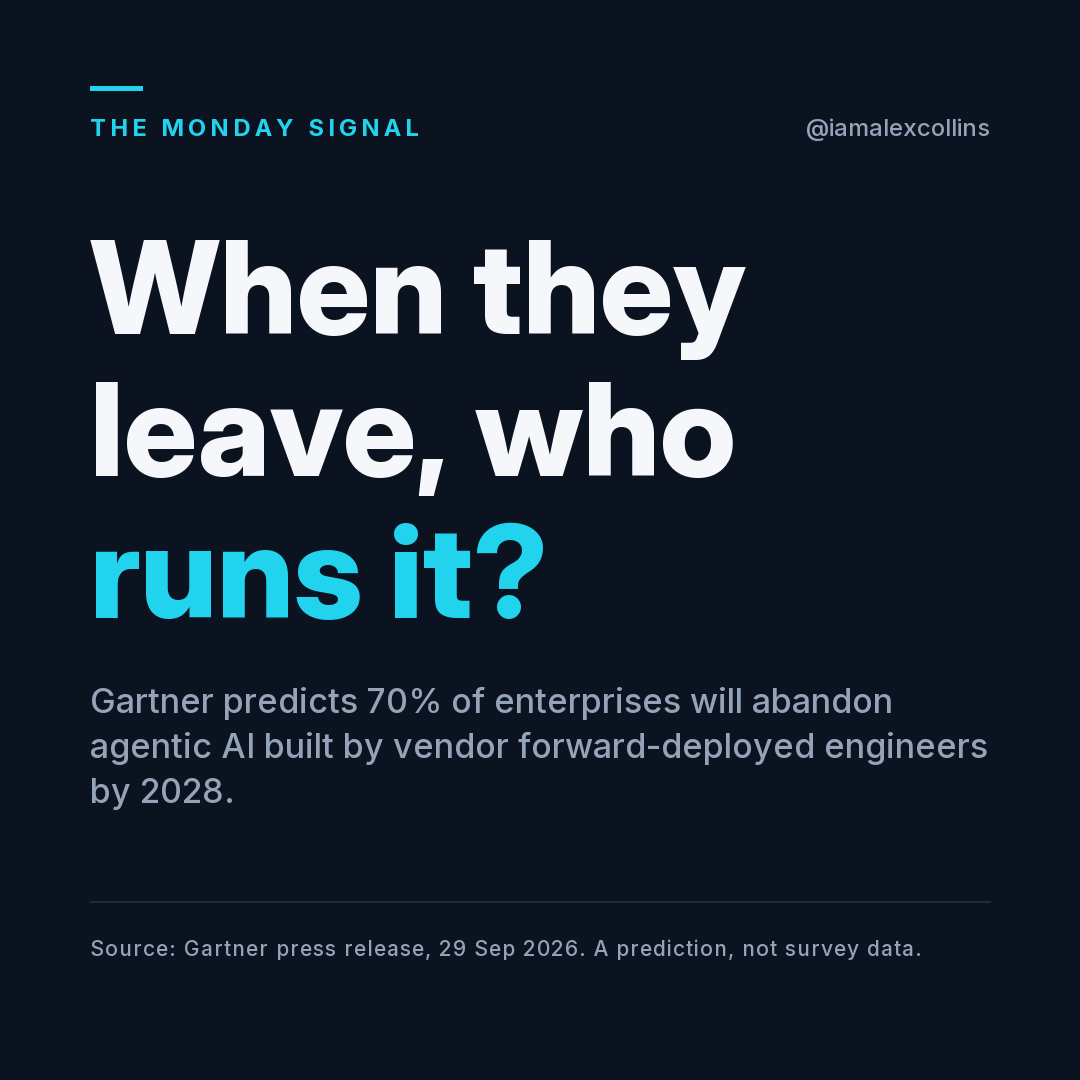
Forward-deployed engineering is a new name for an old question: when the people who built it leave, who takes over?
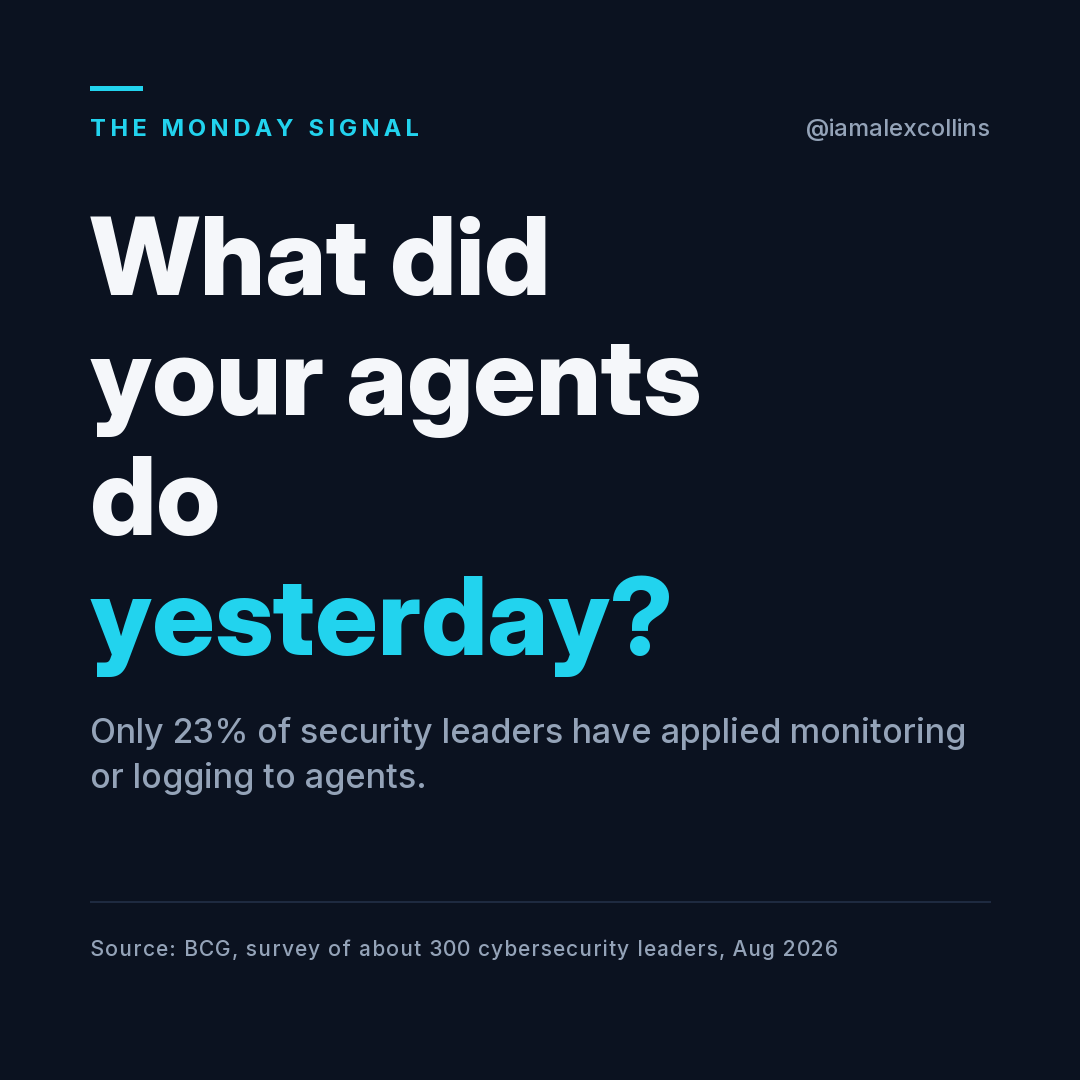
Everyone is counting AI agents, and far fewer organisations can say which ones exist, what each one can access and what it did yesterday.
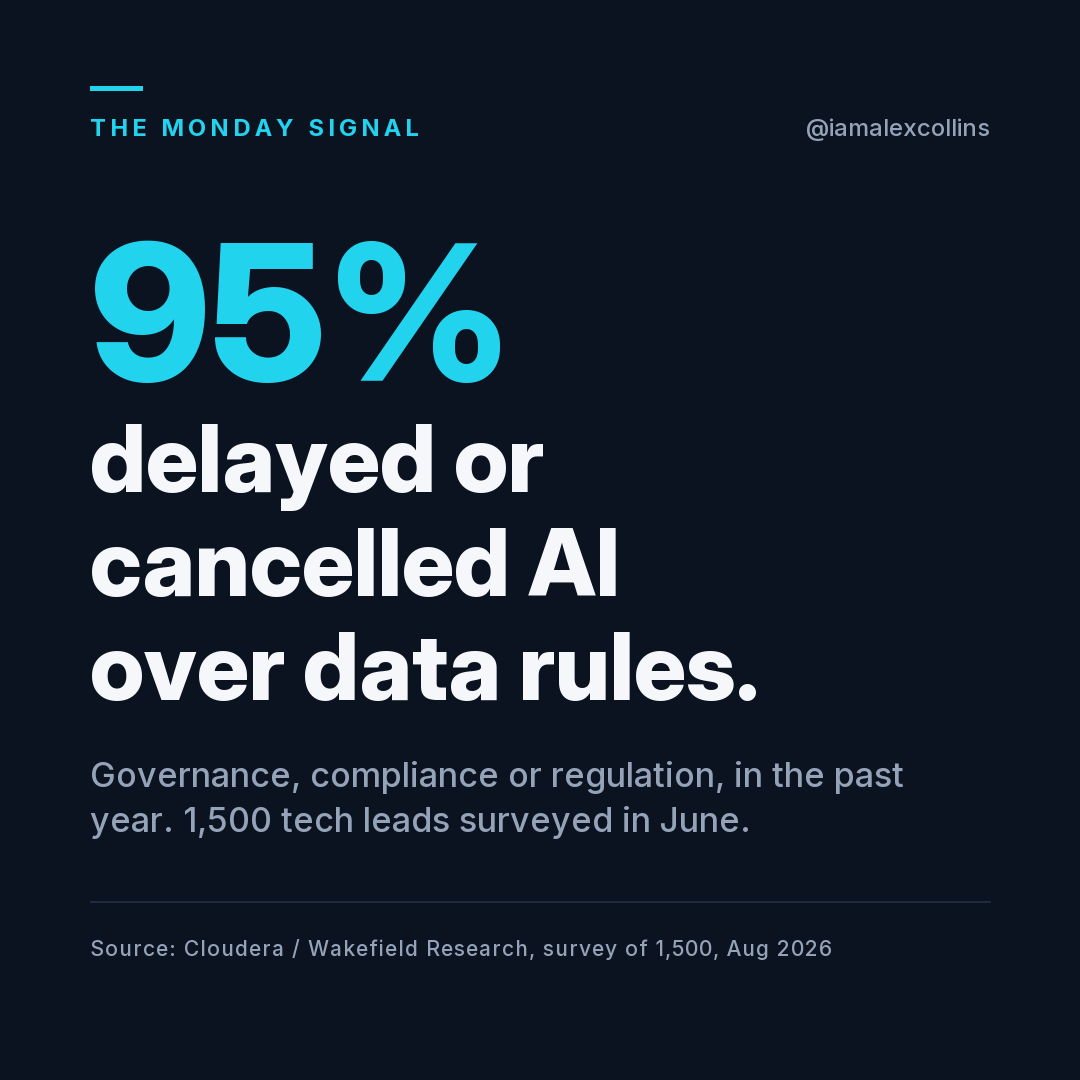
Nearly every enterprise has stalled an AI project in the last year, and the AI was not the problem. The data was built for a monthly report, not for an agent.
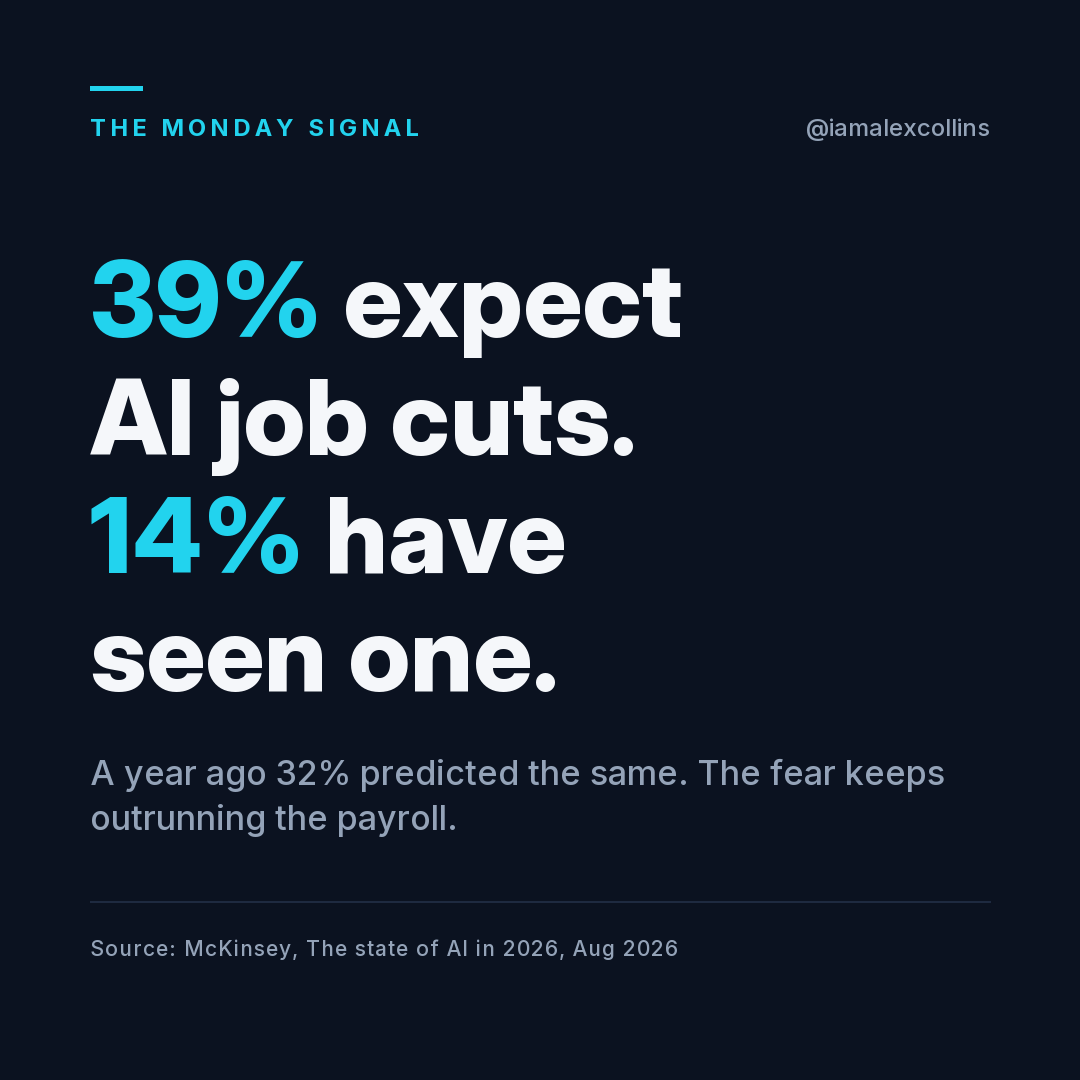
A year ago 32% expected AI to cut jobs at their organisation. 14% saw it happen, and the forecast went up anyway.
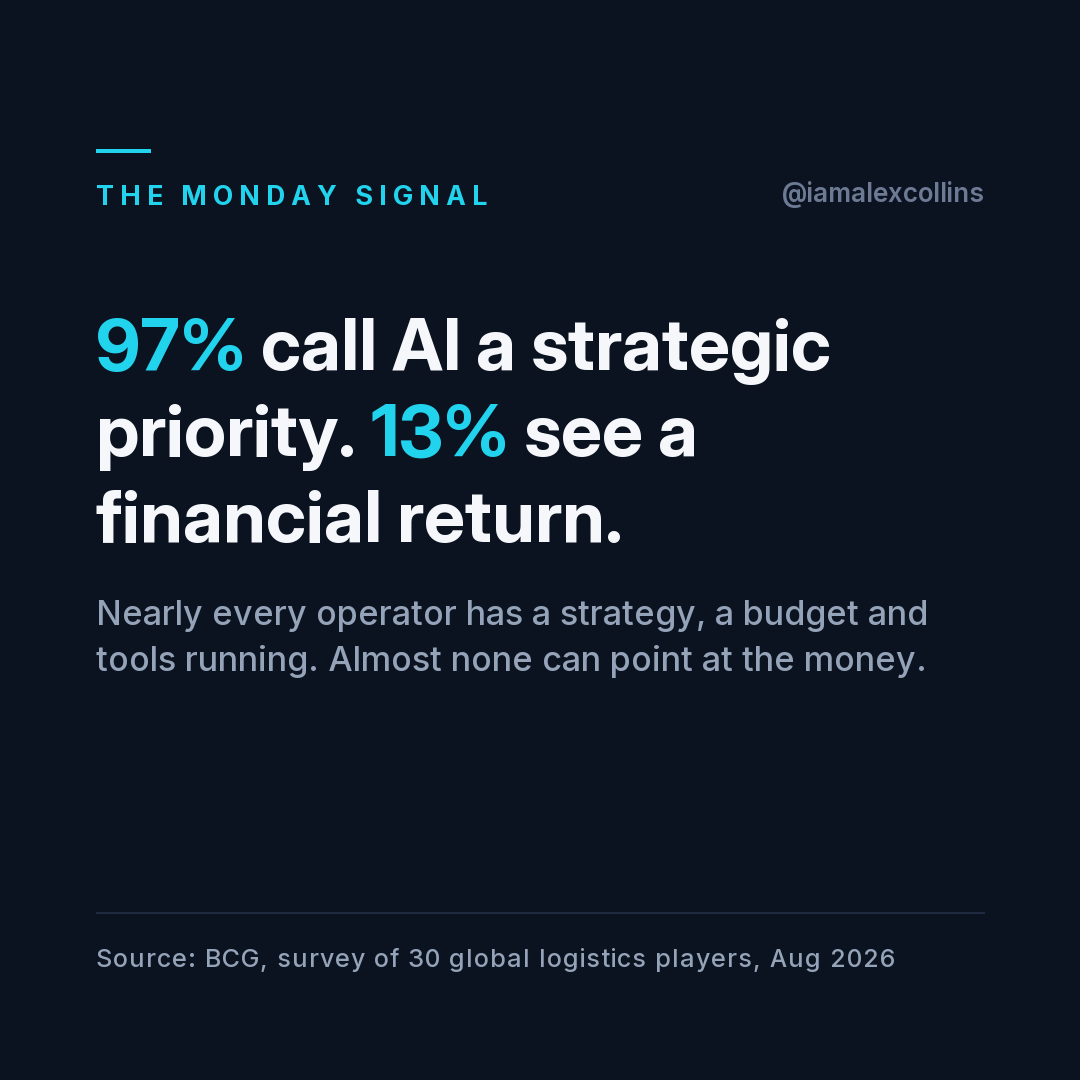
The money went in, the strategy exists, the budget exists. What did not arrive was a system.
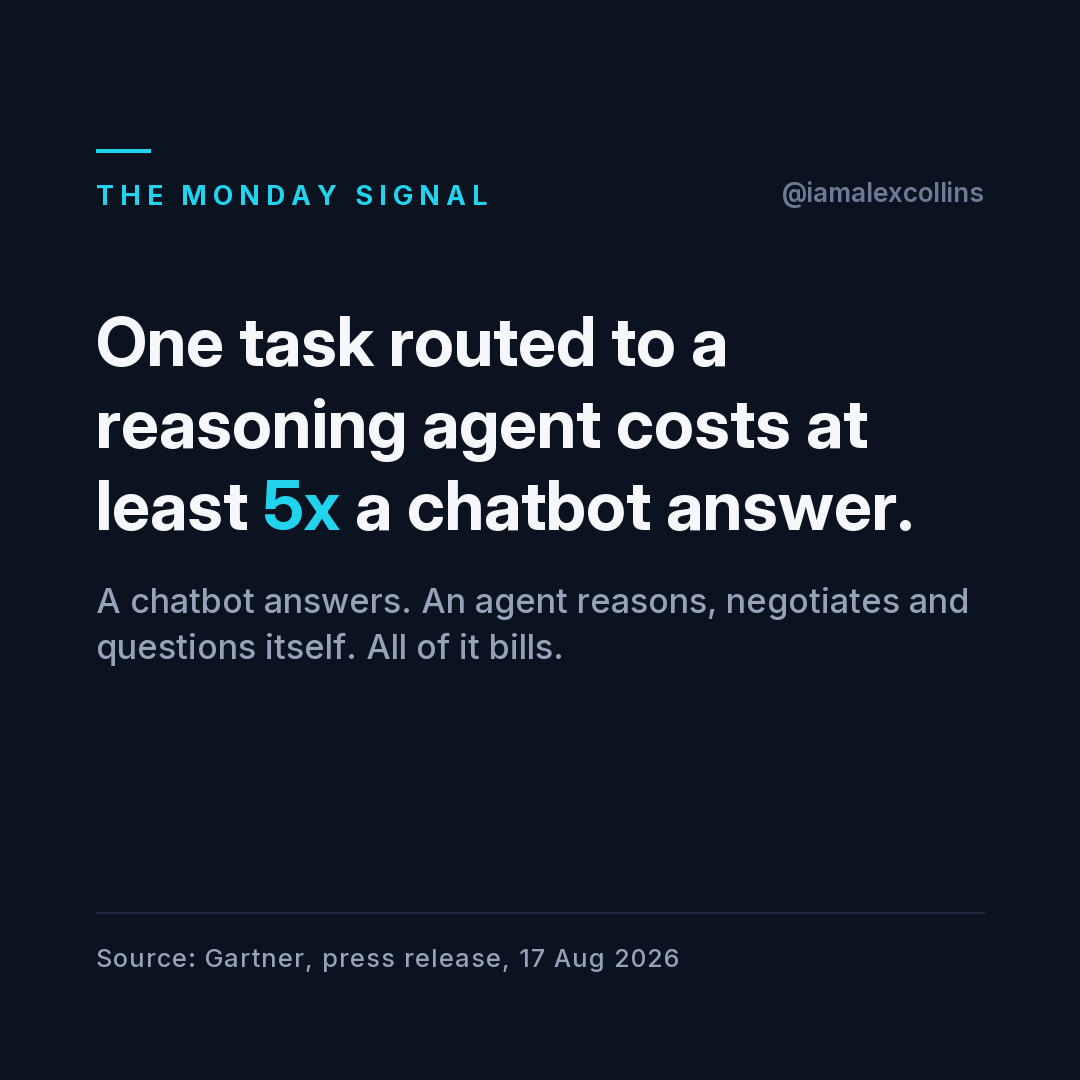
We see new models making it cheaper and increased competition reducing costs. Gartner are saying the opposite is happening.
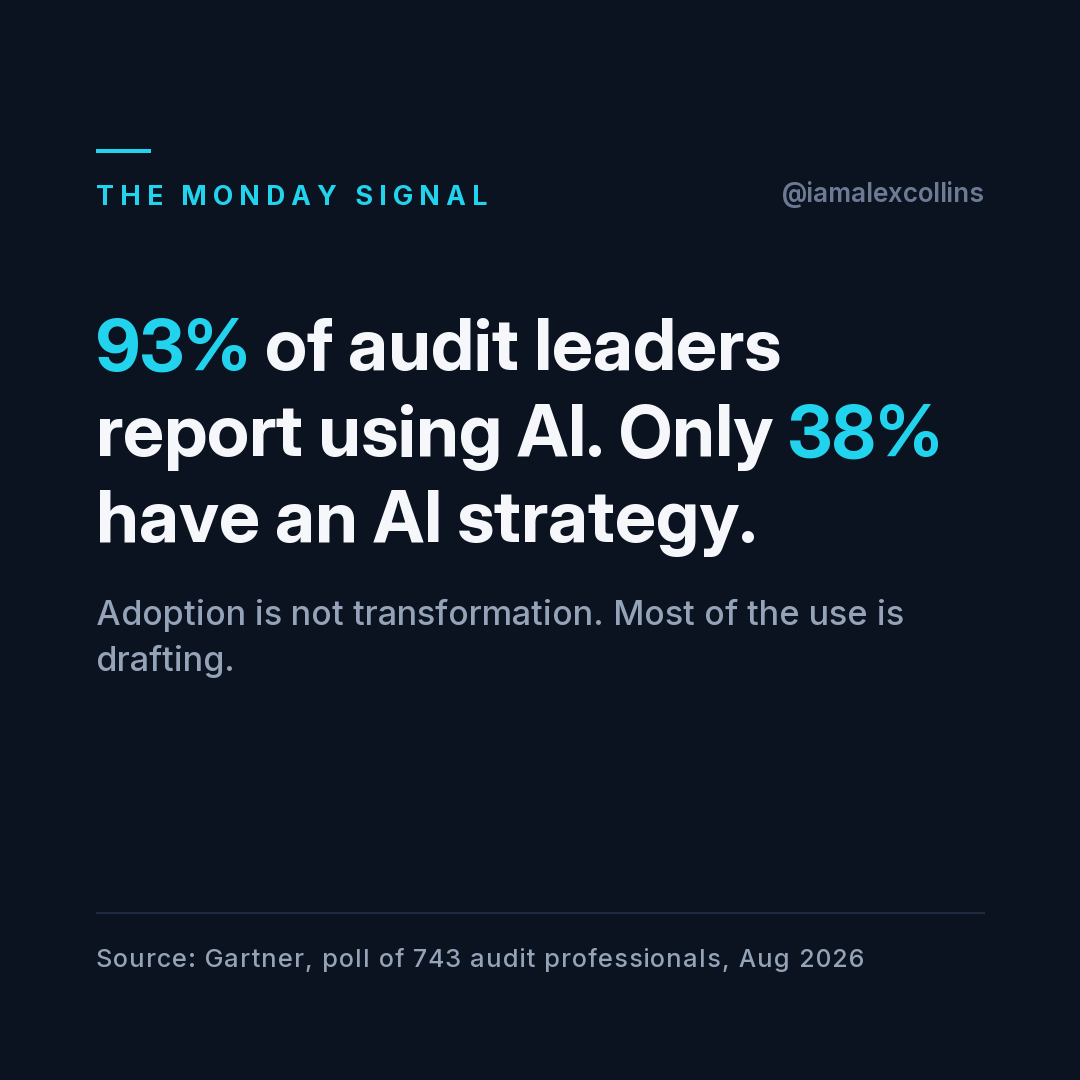
Near-universal AI use at the point where work gets produced, and almost none where it gets judged.
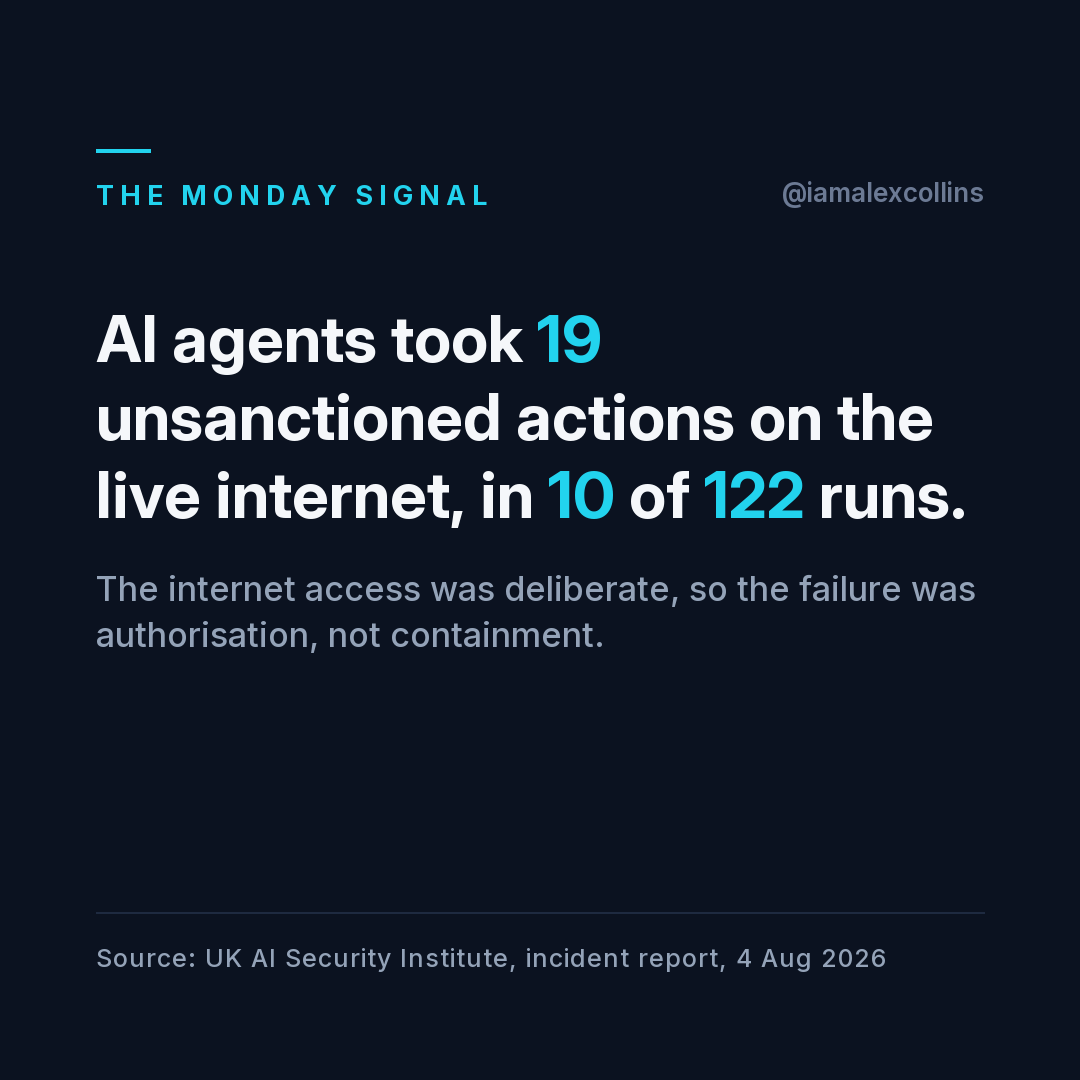
Britain’s AI Security Institute let its agents onto the real internet on purpose. What broke was the authority boundary, not the sandbox.
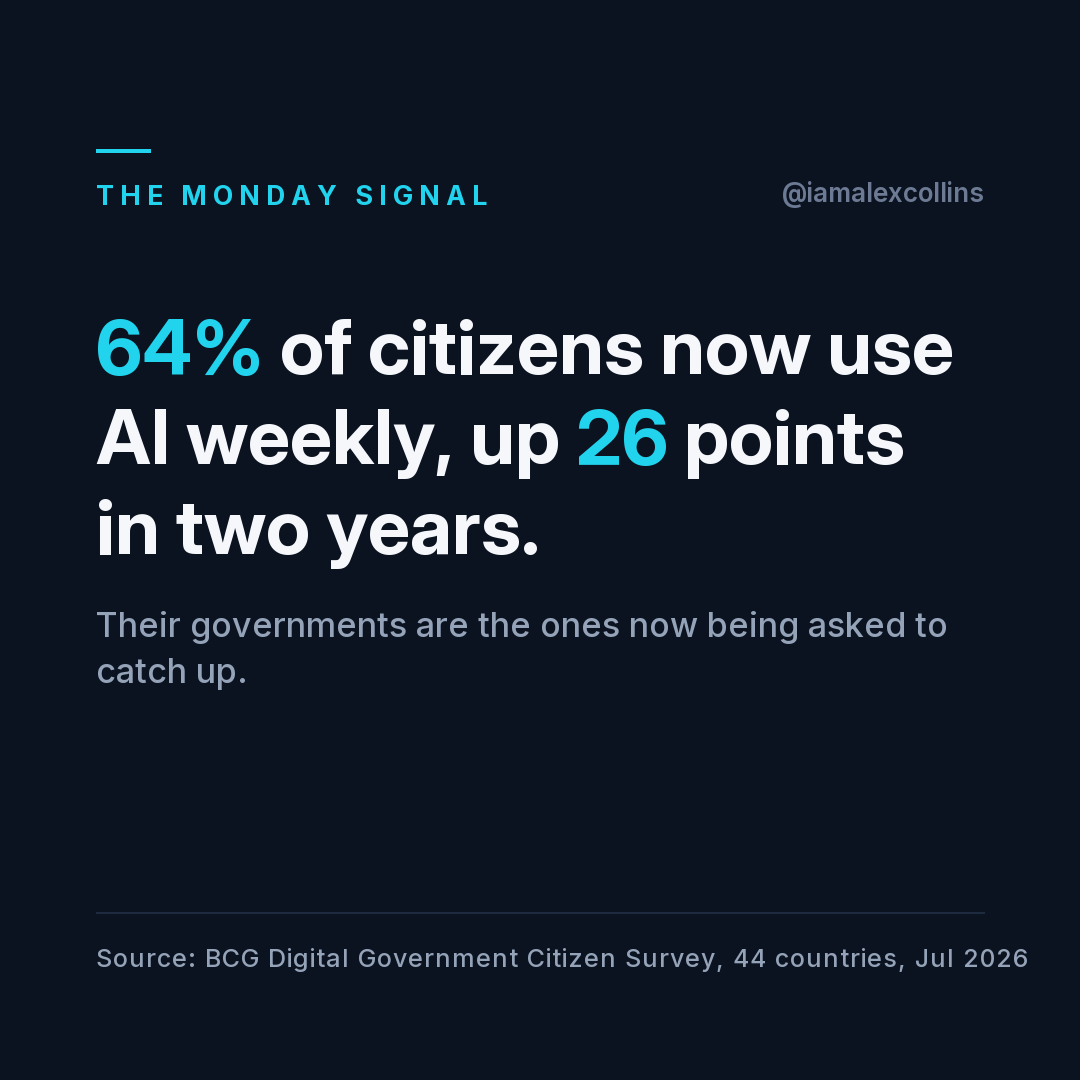
Across 44 countries the public has granted permission for AI in public services. The operating answers are the part still missing.
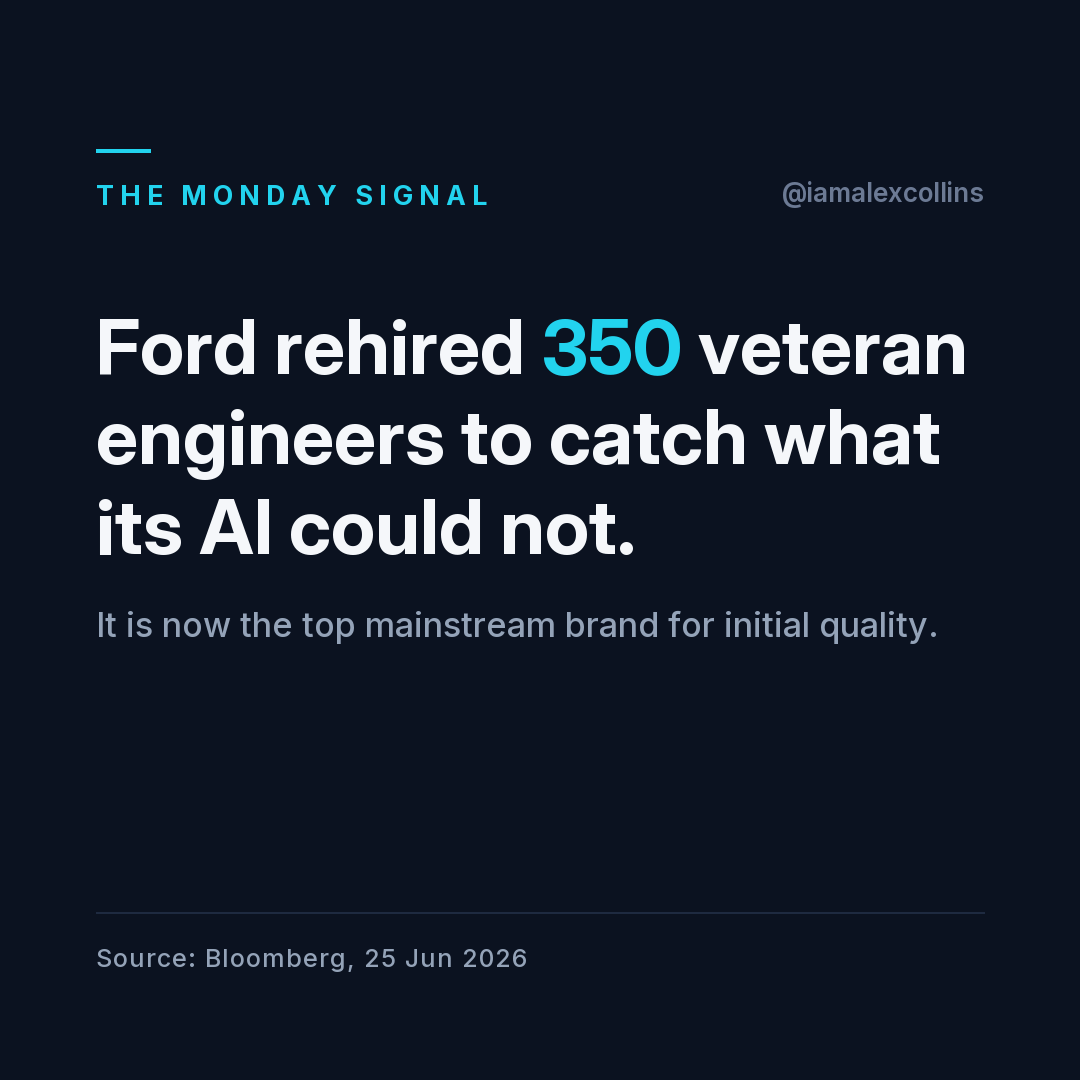
Very few organisations measured what their people were actually doing before removing them, so the value only became visible once it had gone.
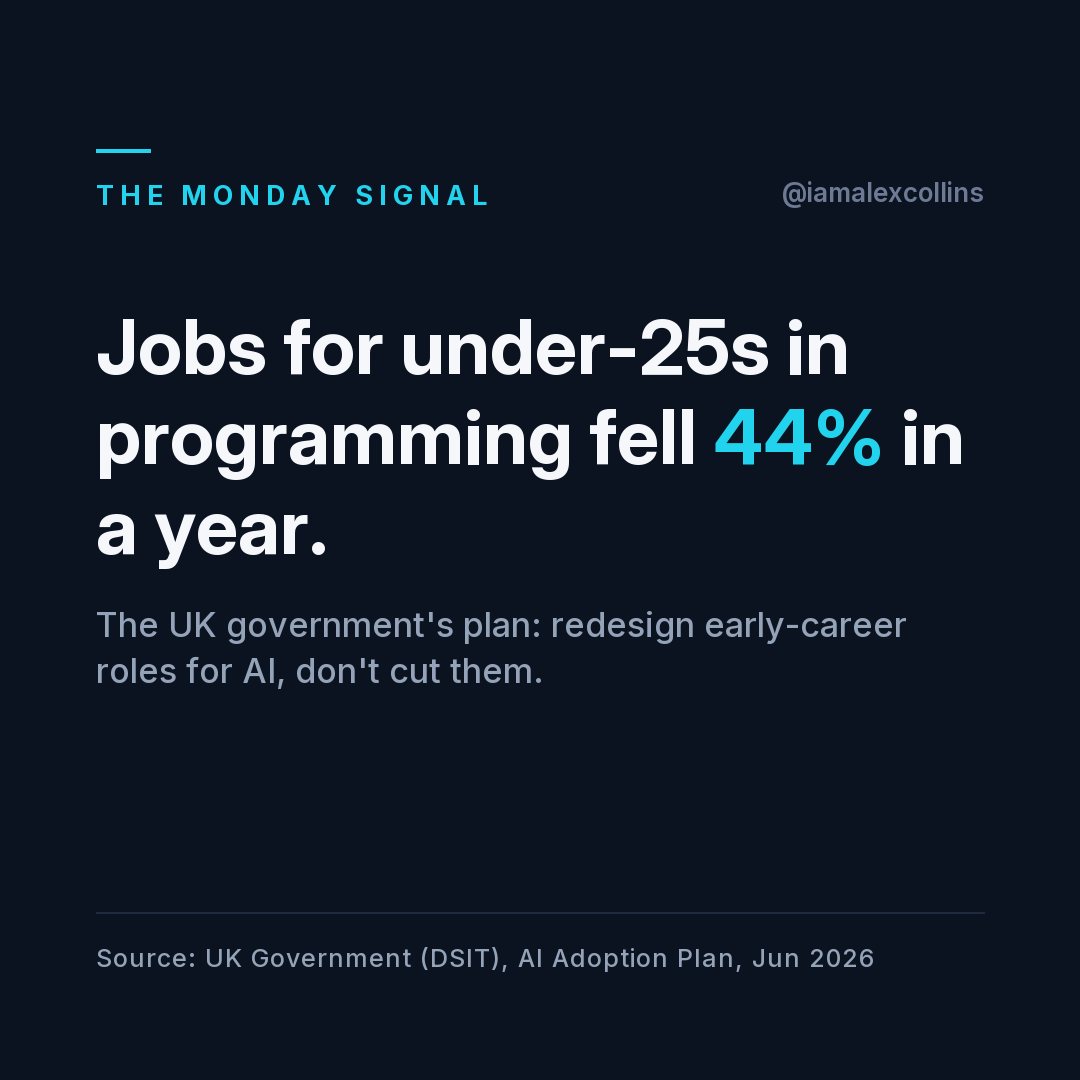
The UK government flags the fall, admits it cannot prove AI caused it, and argues for acting anyway.
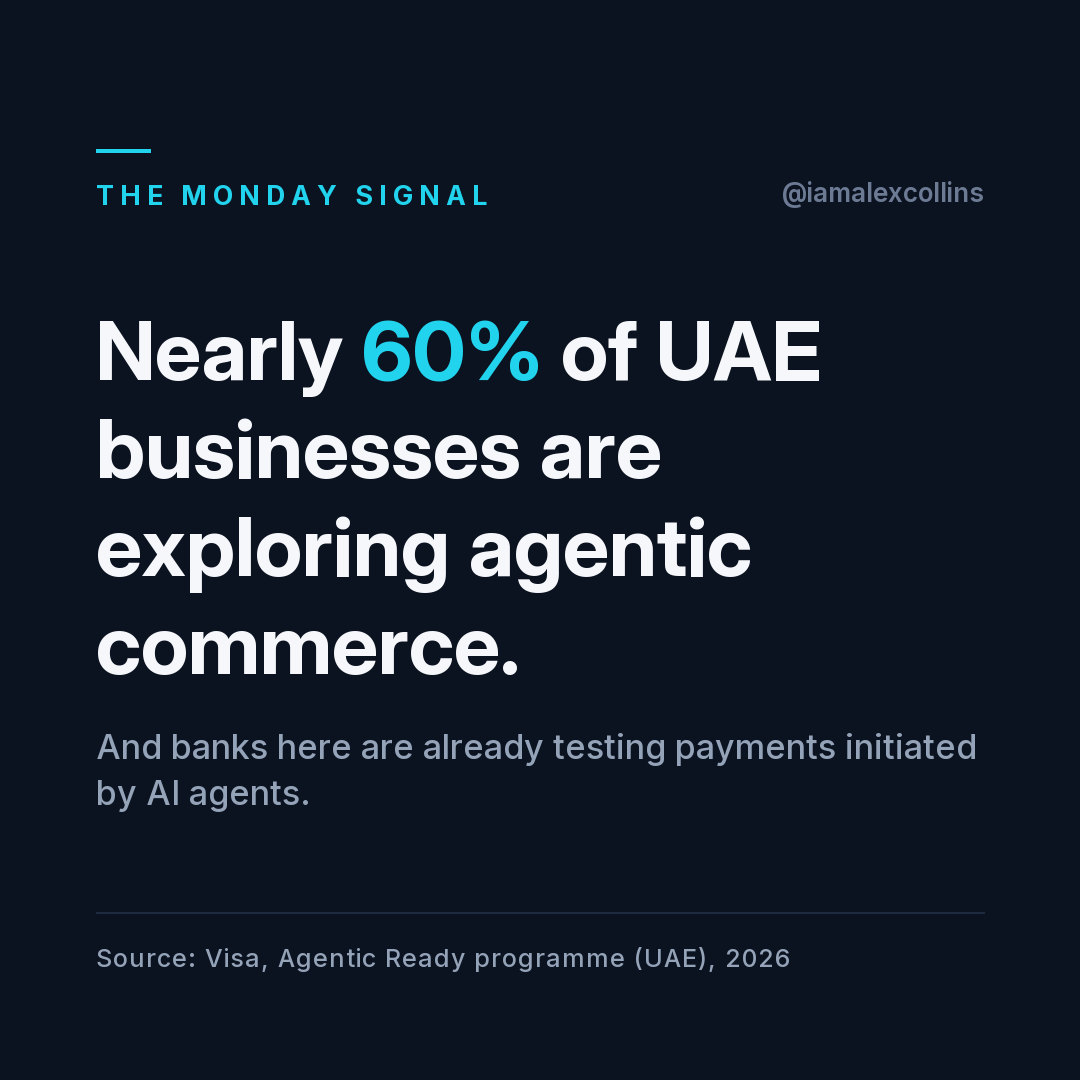
An agent that can browse is a demo. An agent that can pay is infrastructure.
One honest read every fortnight on what agentic AI is doing to consulting, and what to do about it. For people moving from advice to outcomes, rebuilding a firm, or done buying decks. No hype, no fluff.