AI Adoption Can Rise While Readiness Falls
Boards are being handed AI usage numbers as a progress report, and three studies this year show readiness can fall while adoption climbs, because the business change is not keeping pace with the technology.
Honest thoughts
This is where I share what I am learning as I go: my own experiences, the events I am at, and the thinking behind the work. I also pull in the articles and reports worth your time, and what they actually mean if you are in consulting, venture building or tech and you want to stay ahead of how fast all of this is changing.
Looking for something shorter? Every Monday I pick one external read, pull out the number that matters and say what it changes in practice. Browse The Monday Signal →

Boards are being handed AI usage numbers as a progress report, and three studies this year show readiness can fall while adoption climbs, because the business change is not keeping pace with the technology.

The argument about AI and consulting has been about the bottom of the model, and the change that matters is happening at the other end, where the hand-off between the people who decide and the people who deliver is running out of reasons to exist.

The AI headcount debate has been asking the wrong question, and the answer to the right one is a place where people are allowed to be wrong.
The billable hour was always a measure of effort, not value, and AI has broken the link between the two. Why so few firms can leave it, and why moving to outcomes is an operating-model change long before it is a pricing one.
The 2026 results season turned a two-year argument into a set of hard numbers. Here is what the annual reports and the share prices actually say, and what they mean if you buy consulting, work in it, or run a firm.
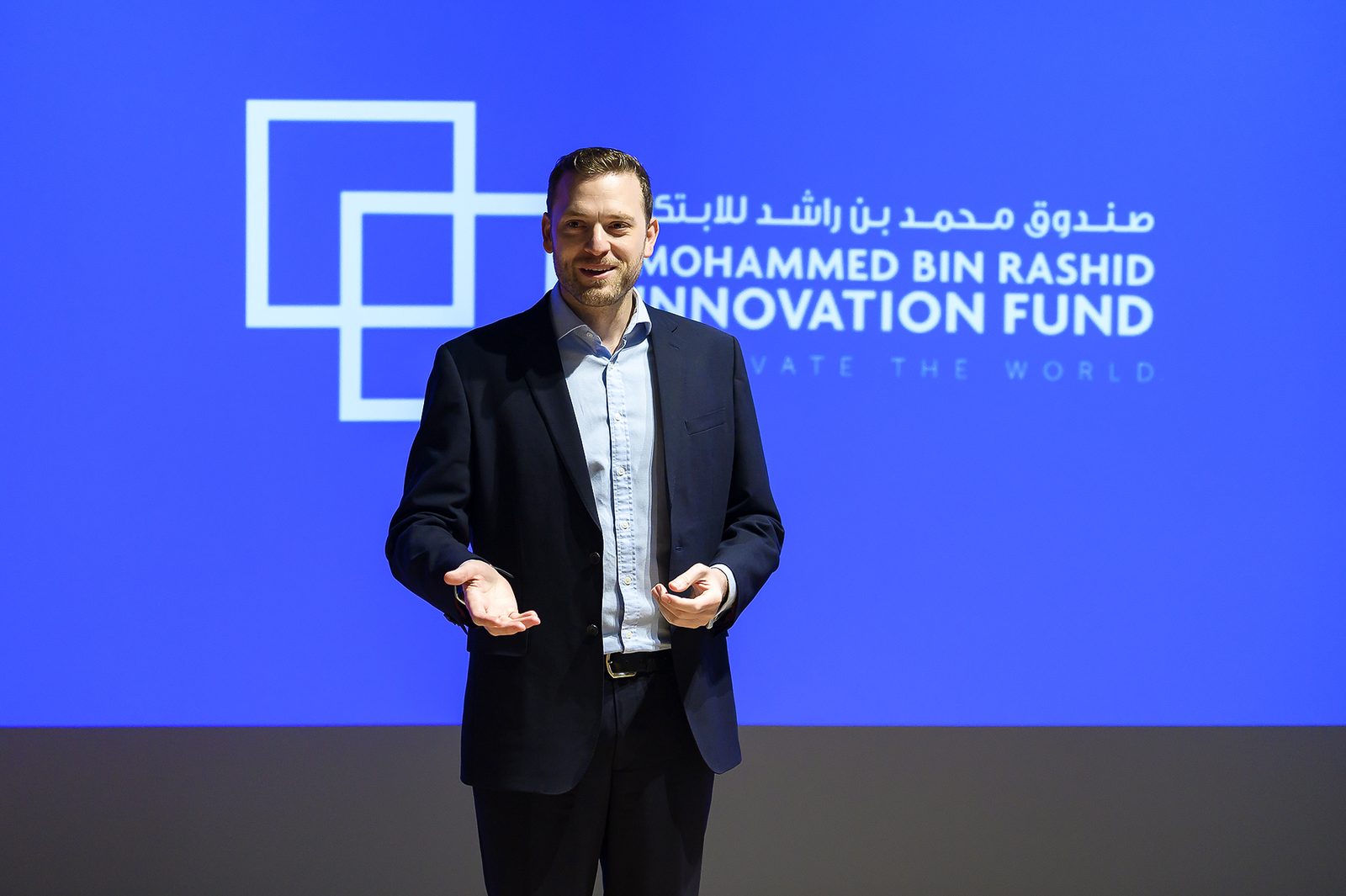
My old university asked me back to lecture on the future of consulting. The honest version is that the "scissors of death" are closing on advice-only work, faster now that AI has grabbed one of the blades, and what replaces it is a better job than the one it ends.

When an AI rollout stalls, the problem is usually not the people but a half-redesigned operating model, and the fear you see is the signal that roles, workflows and how people are measured have not caught up with the tools.
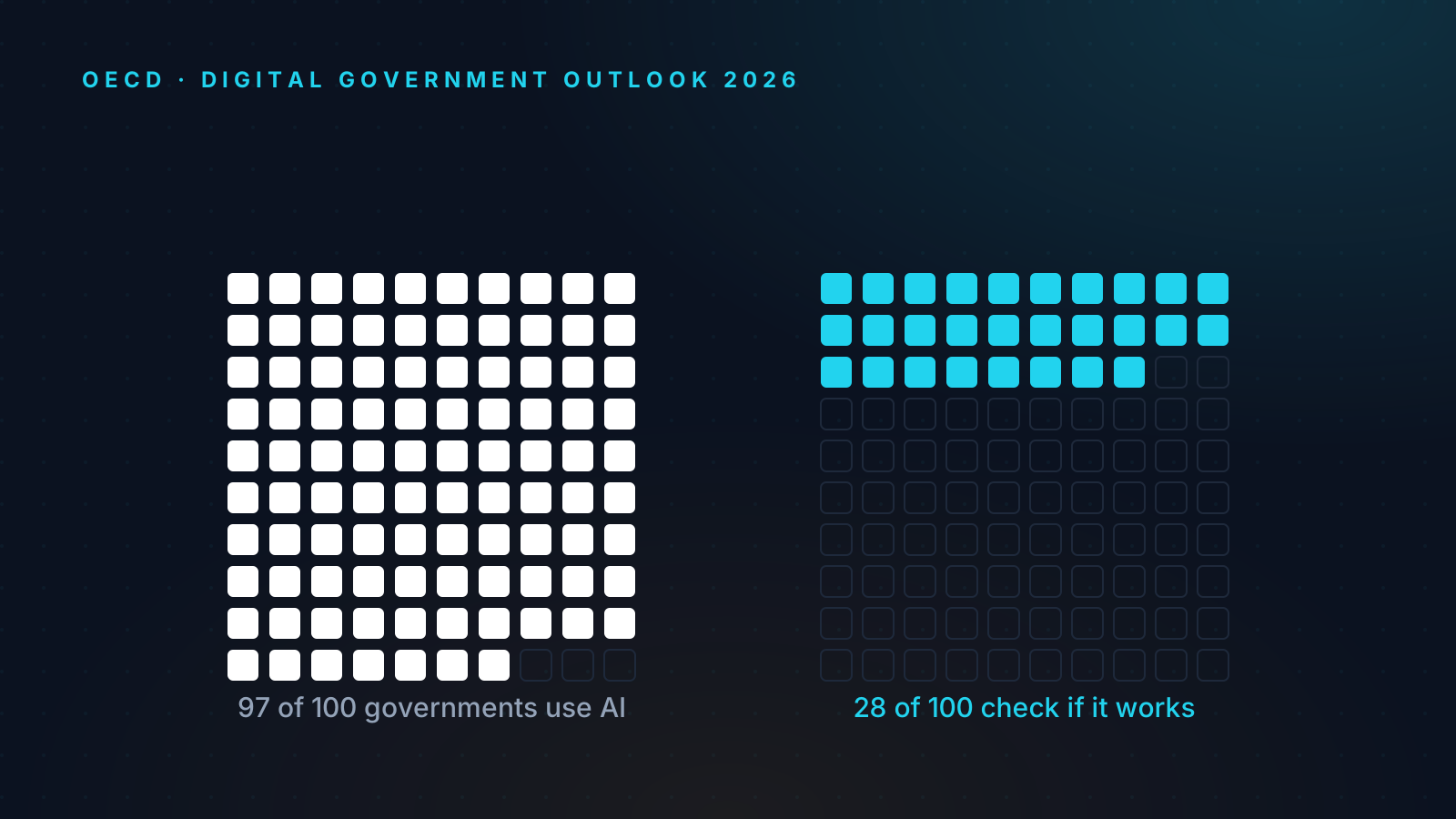
The OECD says 97% of governments now use AI but only 28% measure whether it works. Why that gap is AI theatre, why the user is not at the centre, and why the fix is change management, not more technology.
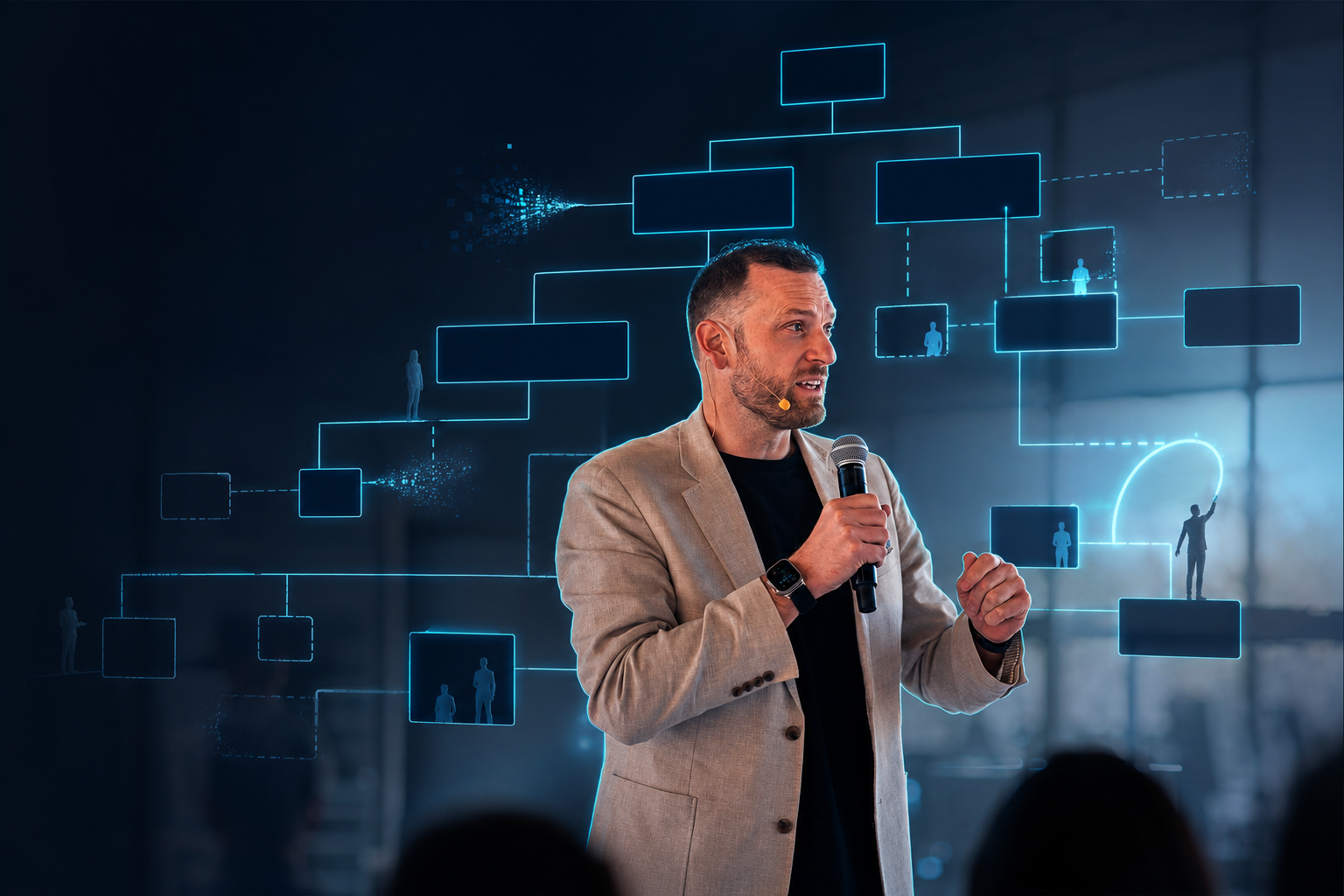
Agentic AI changes the workforce question from "what roles do we need?" to which outcomes need people, which an agent can own, and where humans intervene, and most org charts have not caught up.
AI has not killed consulting. It has killed the part of it that was only ever a nicely formatted opinion. The premium has moved from the cleverest deck to the owned outcome.

You spend more of your life at work than almost anywhere else, so make as much of it as possible about the part you actually enjoy. The Collins Fun Matrix is the simple 2x2 I use to decide where my time goes.

What agentic AI really means for teams, operating models and the future of work, and why it is an operating model shift long before it is a tool rollout.

Why change leaders need trust, truth and the courage to face what people usually avoid, and what the Zone of Uncomfortable Debate looks like in practice.

What I learned moving from advisory work into operating and venture building: what transfers, what does not, and what catches most people off guard.

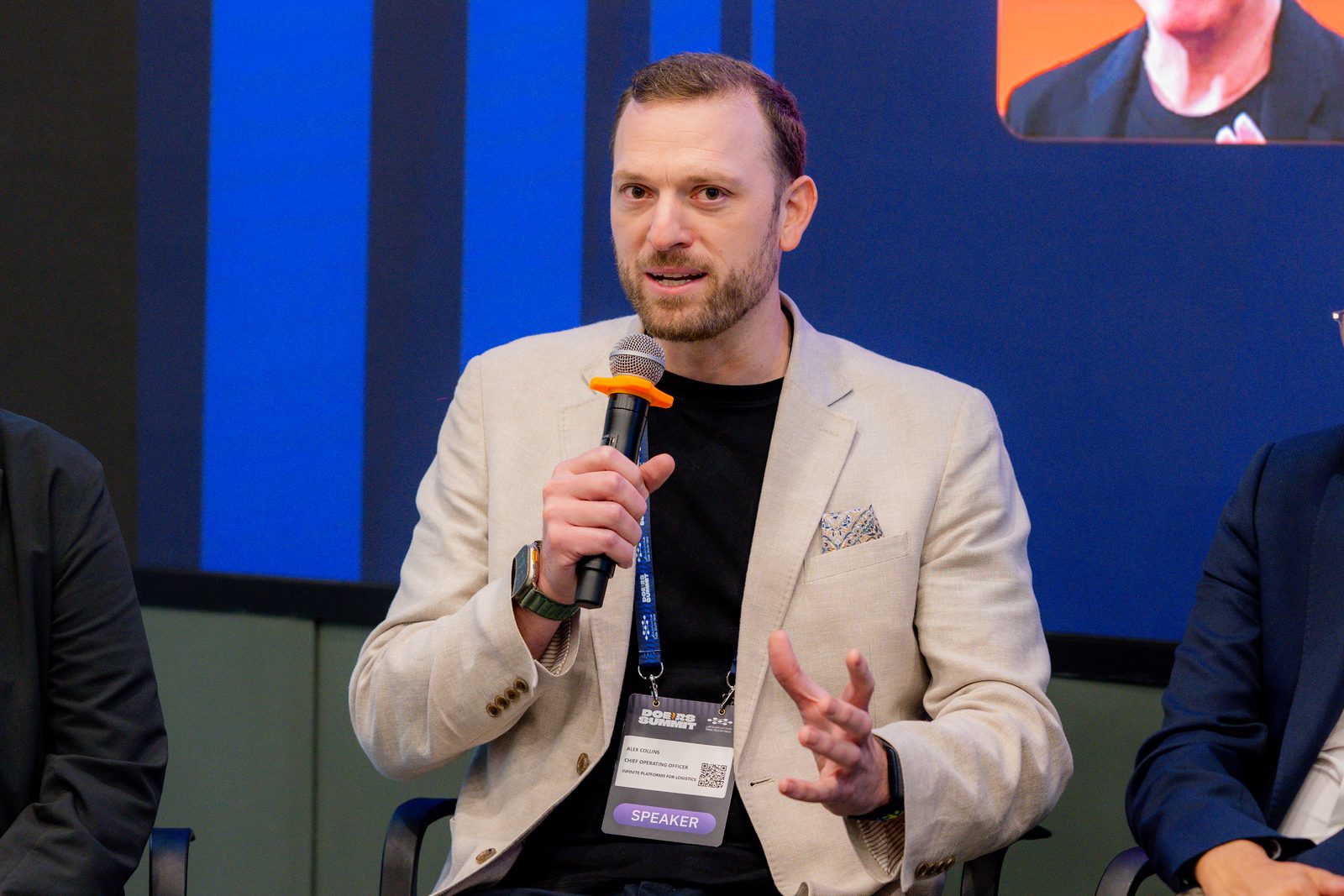
A reflection from the Doers Summit in Dubai on execution, ambition and the practical innovation culture taking hold across the region, and what it means for AI.

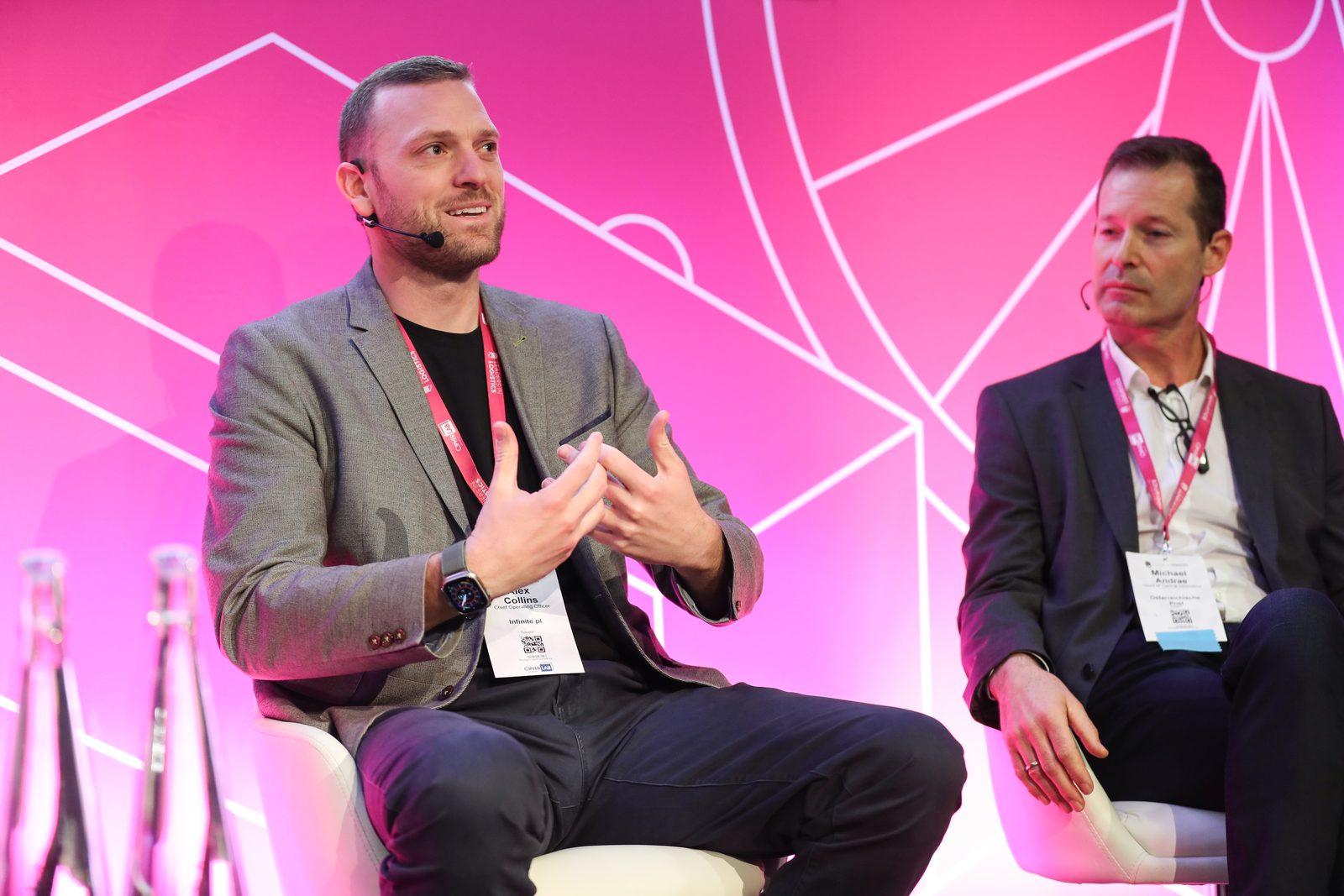
Lessons from AI, autonomous mobility and postal ecosystems on why logistics is becoming an AI-first sector, and what that signals for every platform business.

Why real innovation needs products, teams, commercial models and operating discipline, not just labs, hackathons and a wall of sticky notes.

What transfers, what does not, and what to deliberately learn when you move from consulting into technology or a venture-building role.

Why strategy launches, team rituals and shared pride matter as much as product and capital when you are scaling a company, and what culture really asks of leaders.

Why I started building digital products inside EY long before the AI we have today, what The Future of the Professions did to my thinking, and what an audit firm and its risk culture taught me about innovating under real constraints.